
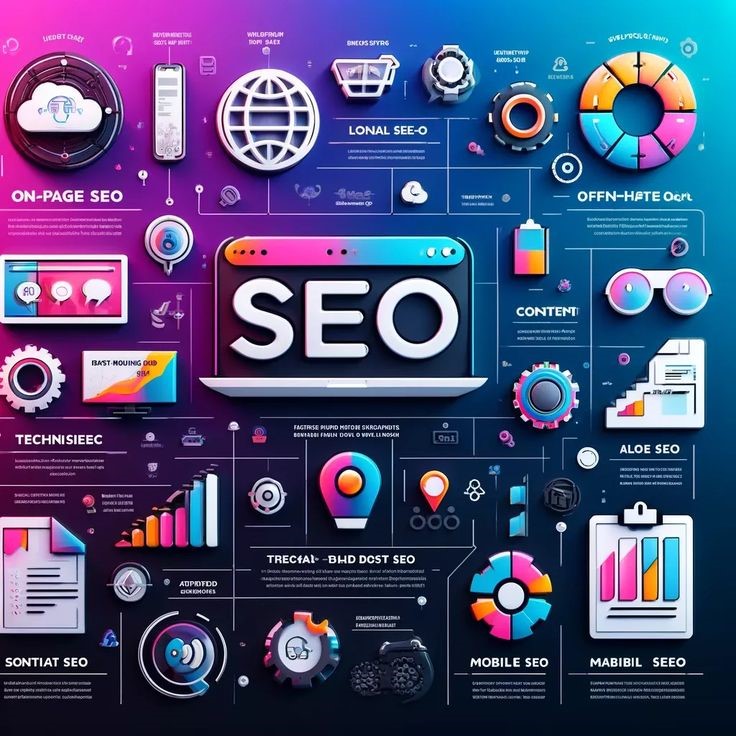
Looking ahead to 2025 and beyond, mastering SEO means combining creativity, strategic thinking, and technical know-how to help brands maintain their presence in an increasingly AI-driven search environment. Although advancements in Artificial Intelligence (AI) have revolutionized the industry, having a solid grasp of foundational principles remains vital for achieving sustainable results.
Today’s digital marketers aiming to excel in SEO must become versatile professionals. This necessitates proficiency not only in keyword research and link building but also in conducting technical audits and leveraging AI for optimization. Both hard skills and soft skills are essential in this new landscape.
Now, let’s dive into the essential top SEO skills every digital marketer in 2025, explore advanced technical proficiency, and identify the forward-thinking capabilities needed to thrive in the ever-evolving world of search.
What essential Top trending SEO skills should every Digital marketer needs in 2025?
SEO involves enhancing your website so that search engines can easily discover, comprehend, and effectively rank it. This practice relies on a blend of skills that work together harmoniously.
Here are the key search engine optimization skills to master:
SEO goes beyond mere tactics or following a checklist. It’s about aligning your content with your business objectives. Strategic thinking enables marketers to discern where their efforts should be focused: whether on high-impact keywords, quick wins, or content that builds authority.
It’s essential to maintain balance across your site. Prioritizing which pages to improve, determining the focus for optimization, and structuring your website thoughtfully are all critical decisions. After all, you wouldn’t want potential customers clicking through numerous links just to reach the page they need, would you?
Begin by defining your SMART goals—this will pave the way for your strategic endeavors.
2. Competitive Research
Are your competitors dominating the top positions on the Search Engine Results Page (SERP)? They might even be featured in Google’s AI Overviews or generative AI platforms like ChatGPT. By conducting a competitive analysis, you can uncover what factors contribute to their success with search engines and AI.
Analyzing what your competitors rank for and identifying their backlink sources allows you to pinpoint gaps and opportunities in the market. Tools like Ahrefs and Semrush can simplify this process. Additionally, platforms like SparkToro provide valuable insights into where audiences engage online and how they utilize AI tools.
Once you’ve done your homework on your competitors, it’s time to apply similar strategies to your own website. In the world of SEO, while being a trendsetter has its perks, you can still catch up if you do things better.
3. Keyword Research
Keyword research remains a fundamental element of SEO. It involves pinpointing entity-based queries, exploring long-tail keywords, and examining trending topics in sections like “people also ask.” With effective keyword research, you can discover what your audience is eager to see or learn about on your site, and it can also enhance your competitive analysis.
Conducting keyword research means strategically placing keywords across your website. For instance, you might focus on shorter-tailed keywords for product pages, while longer-tailed keywords that require in-depth discussion are ideal for your blog or resources section.
To assist you in your keyword research journey, numerous tools are available. Some notable free options are Google Trends, Google Keyword Planner, and AlsoAsked. Additionally, there are platforms like Ahrefs, Moz, and UberSuggest that offer limited free access to their tools.
Great content is the fuel that powers SEO. From blog posts and landing pages to case studies and whitepapers, everything you publish should be optimized for both readers and algorithms.
Content that informs, persuades, and connects with your audience performs best. Strong SEO writing balances creativity with data. It uses the right keywords but never at the expense of readability. The goal is to answer user intent while keeping your brand’s voice engaging and trustworthy – especially if you want to appear in genAI results.
The structure and hierarchy of your content is just as important, as it will allow both search engine crawlers and AI crawlers to understand and process your content more easily. This includes on-page structural elements, like lists, FAQ sections, and more.
On-page elements like titles, descriptions, alt text, and internal linking are vital for helping search engines crawl, index, and understand your content. A page’s title and meta description can make the difference between a potential customer clicking your website or your competitor’s.
Knowing how to write compelling, keyword-rich titles takes skill, practice, and often A/B testing. Even small decisions, like how you structure your URL, can impact performance.
For example, imagine you own a cybersecurity company and want to publish a blog post on “Top Cybersecurity Threats for Companies.” Instead of using a URL extension like /top-cybersecurity-threats-for-companies-2025/ you may want to drop the year so the page can be updated annually. This way, you keep the URL evergreen while refreshing the content each year to maintain relevance beyond 2025.
Modern SEO is no longer just about text – marketers need to evolve. Multimedia skills, such as creating images, infographics, videos, podcasts, and webinars, help increase engagement, shareability, and visibility across different platforms. Search engines reward content that keeps users engaged, and multimedia can make your pages more dynamic and discoverable.
If you have old but still relevant content, repurposing it and transforming it into another media is a way of extending its life too, such as turning a webinar into smaller video snippets which you can upload to your social media channels.
Pro tip: A great beginner tool to get started is Canva, where you can add your brand design elements, and create just about any piece of content you can imagine
SEO is never “set and forget.” Industry standards evolve and so should your content. Blog posts need to be refreshed with updated insights, and outdated pages may need to be consolidated or retired.
That’s where optimization and analytics come in. The most successful marketers and SEO professionals know how to spot which pages need improvement by diving into analytics tools.
Tools you should look into include: Google Analytics and Google Search Console.
SEO and keyword research heavily rely on past data and trends. Even keyword tools give data on past months, but most of them wouldn’t tell you what future keywords can trend or pick up.
Some tools like Google Trends and Exploding Topics help you spot trends or keywords with potential future interest
WhatsApp us